SIG-SAIA
Special Interest Group in Spatial Acoustics and Immersive Audio
The Special Interest Group in Spatial Acoustics and Immersive Audio (SIG-SAIA) brings together researchers, practitioners and end-users from academia and industry who work on the spatial side of audio and acoustics.
SIG-SAIA started as a special interest group within the UK Acoustics Network (UKAN) and now runs as an independent group.
Join the mailing list
The SIG-SAIA mailing list is a Google Group. Members receive announcements about meet-ups, seminars, workshops, jobs and calls for papers, and can post to the list.
- With a Google account: go to groups.google.com/g/sig-saia and click Join group.
- Without a Google account: send a blank email to sig-saia+subscribe@googlegroups.com from the address you want to use, then reply to the confirmation email.
To leave, send a blank email to sig-saia+unsubscribe@googlegroups.com or use the link at the bottom of any list email.
What we cover
- Acquisition: microphone arrays, beamforming, direction-of-arrival estimation and 6DoF sound field capture.
- Rendering: loudspeaker arrays, headphone and binaural rendering, and acoustic augmented reality.
- Perception: spatial hearing, listening experiments and binaural auditory models.
- Applications: immersive audio production, AR/VR for audiology research and clinical use, auditory training and auditory displays.
What we do
We run topic-focused meet-ups for members, a yearly workshop or showcase, and a seminar series. We also organise joint events with groups such as Immerse UK, the AES, the IEEE and the Institute of Acoustics, along with training events aimed at early-career researchers.
Coordinators
- Prof Lorenzo Picinali, Imperial College London
- Dr Aidan Hogg, Queen Mary University of London
- Prof Filippo Fazi, University of Southampton (ISVR)
- Dr Jacob Hollebon, Audioscenic
Past meet-ups
Our in-person meet-ups combine short member talks with visits to labs, venues, and industry partners.
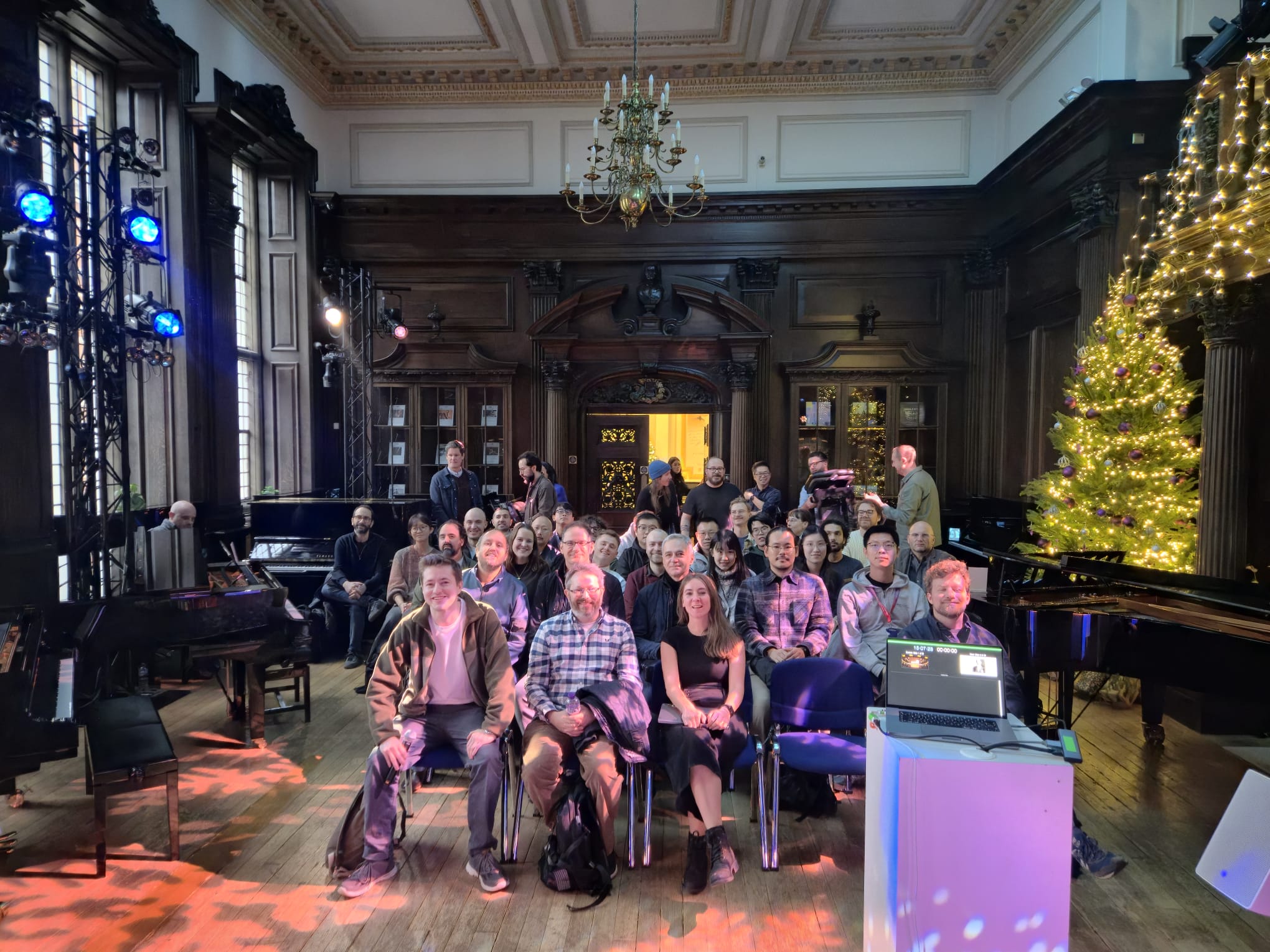
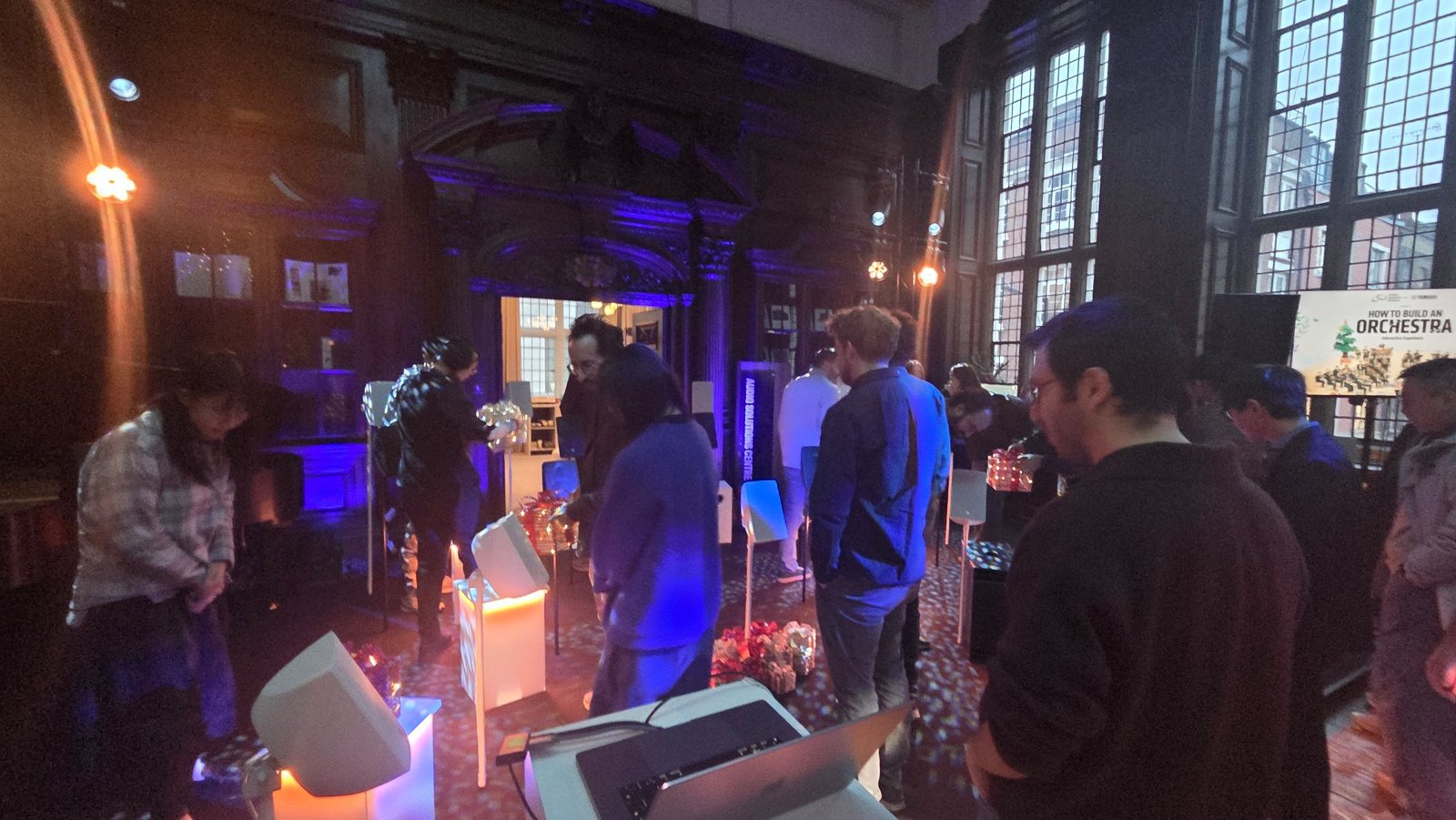
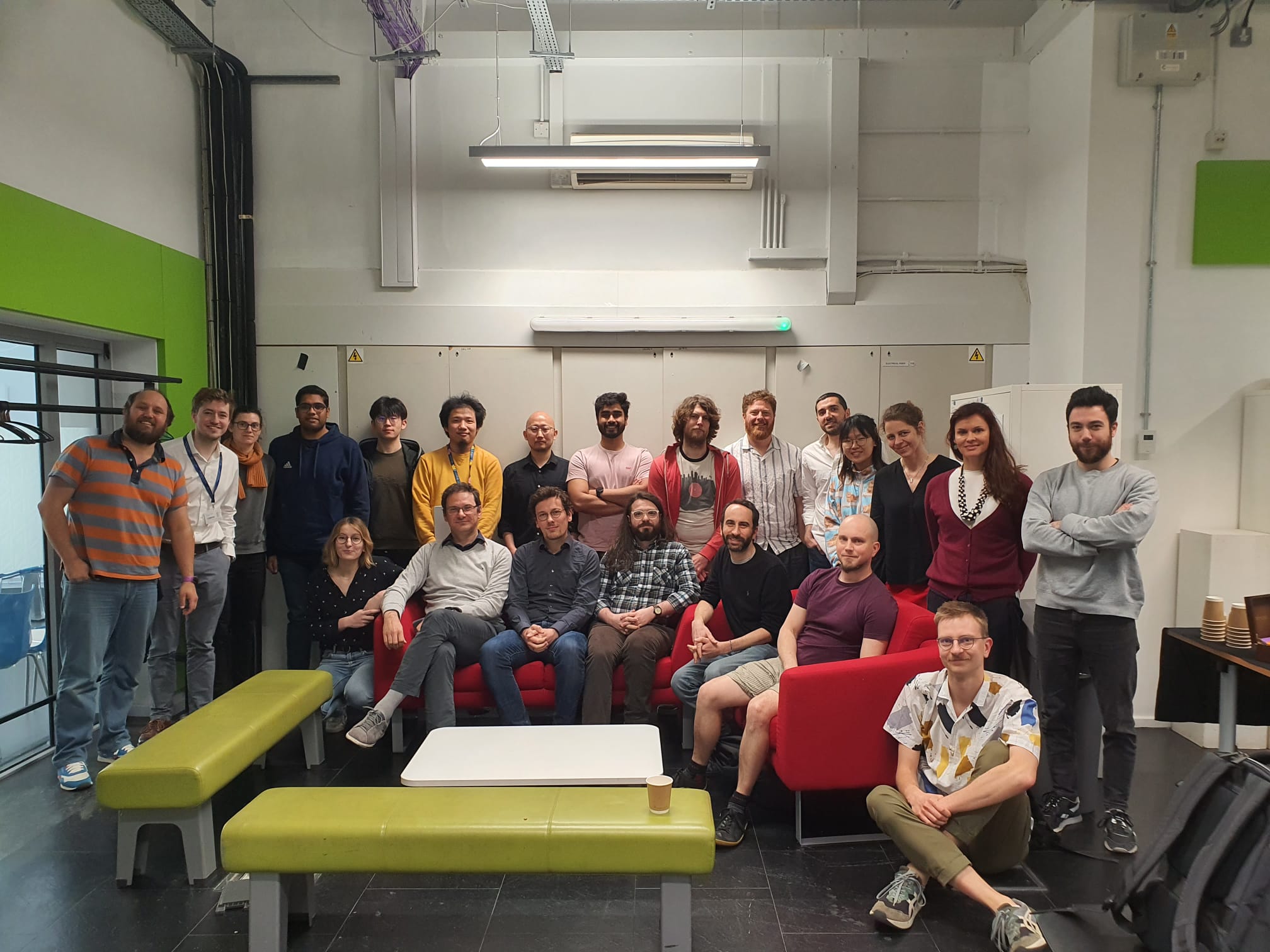
Queen Mary University of London and Yamaha Music London
24 November 2026
Eight short talks on topics from auraldiversity and personalised HRTFs to loudspeaker layouts, room acoustics and immersive audio authoring, followed by a Sound xR session at Yamaha Music London hosted by Tom Rundle.
Programme
- At Queen Mary (10-minute talks, including questions)
- 11:45–12:30 Arrival and lunch
- 12:30–12:35 Welcome and introduction, Aidan Hogg (Queen Mary University of London)
- 12:35–12:45 John Levack Drever (Cambridge Digital Humanities, University of Cambridge), Whose Spatial Hearing? Auraldiversity and the Limits of Immersive Audio
- 12:45–12:55 Rashad Al-Dahiri (Queen Mary University of London), Individualised Head-Related Transfer Function Generation via Geometric Parameterisation of Synthetic Pinnae
- 12:55–13:05 Philip Jackson (University of Surrey), Design of the Aurora3 loudspeaker arrangement
- 13:05–13:15 Rapolas Daugintis (University of Surrey), Perceptually-driven optimisation of loudspeaker-based spatial audio
- 13:15–13:25 Nara Hahn (University of Southampton), Sound field diffuseness estimation in the spherical harmonic domain
- 13:25–13:35 Orchisama Das (King’s College London), Physics-Inspired Delay Networks for Auralisation of Room Acoustics
- 13:35–13:45 Yuke Liu (Queen Mary University of London), A Benchmark of World Models’ Capabilities from Spatial Audio Perspective: A Preliminary Design
- 13:45–13:55 Daniel Jones (Independent), Authoring immersive audio environments with Hodr and SignalFlow
- 13:55–14:00 Discussion of future plans for the group, Lorenzo Picinali (Imperial College London)
- 14:00–14:15 Group photo and wrap-up
- At Yamaha Music London
- 15:00–16:30 Sound xR session hosted by Tom Rundle: an introduction to the Yamaha product range, two guest speakers on how they use Sound xR in their work, and a demonstration with questions and discussion
Organised by Aidan Hogg, with the other SIG coordinators.
Photo and video
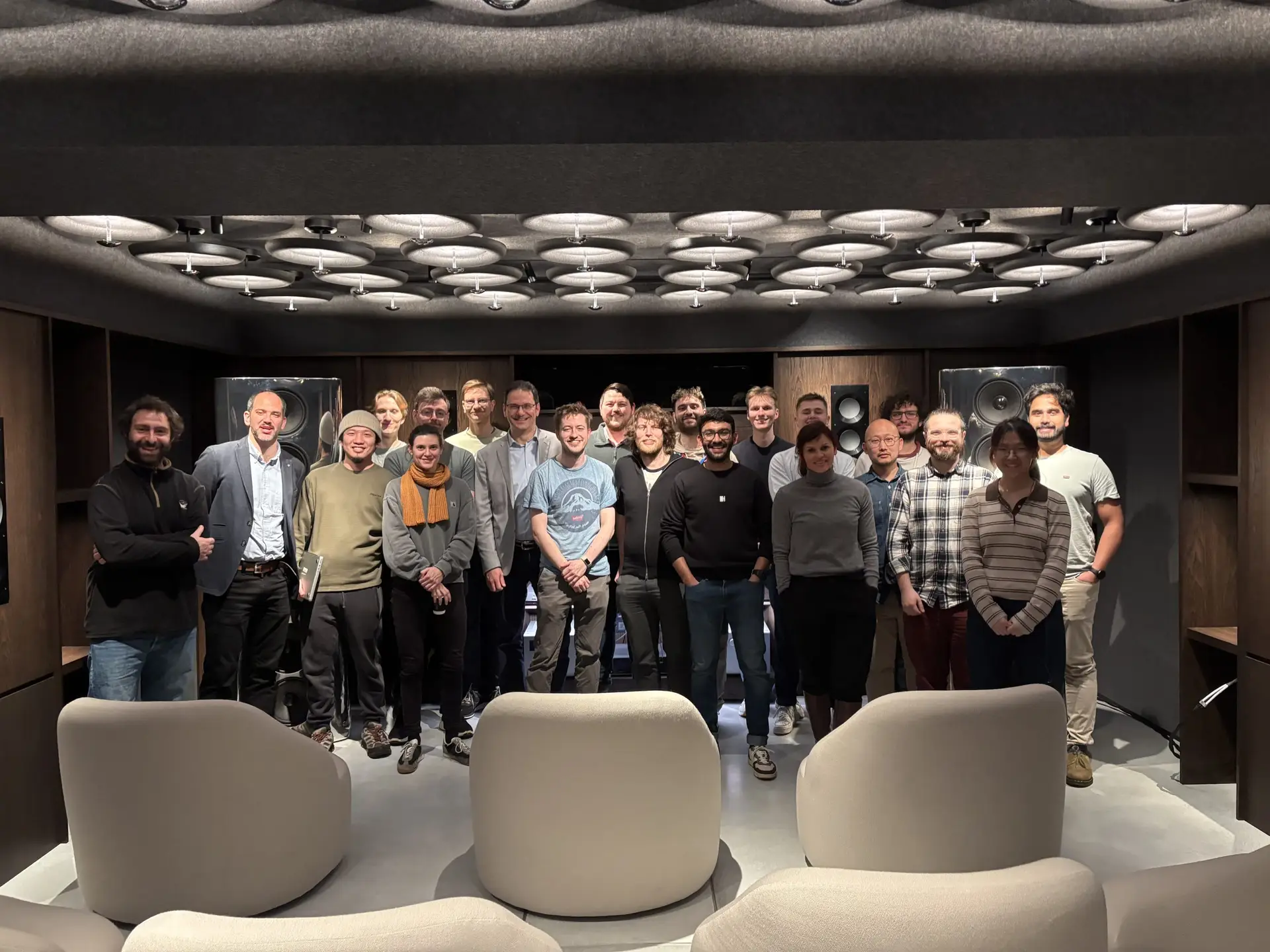
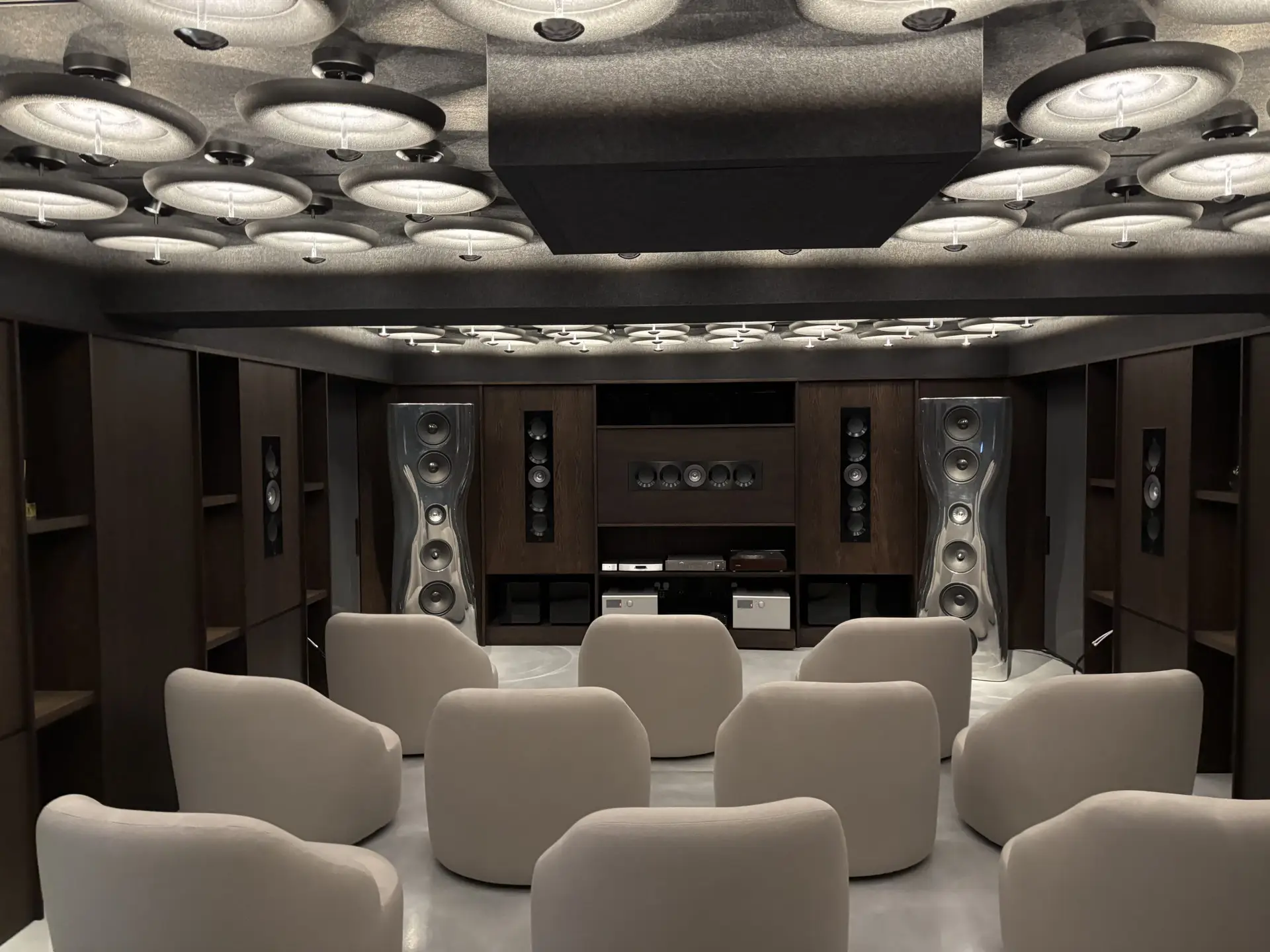
KEF Music Gallery, London
20 February 2025
A tour of the KEF Music Gallery and listening sessions in its demo rooms, with the KEF team sharing their loudspeaker design expertise.
Programme
- 10:00–10:15 Tea and coffee
- 10:15–10:30 Welcome and participant introductions
- 10:30–11:30 KEF Music Gallery tour
- 11:30–12:30 Listening sessions in the Living Room and UER
- 12:30–13:30 Lunch
- 13:30–15:30 Group activities
- 15:30–16:00 Wrap-up and Q&A
Organised by Filippo Fazi, with the other SIG coordinators.
Photos
Queen Mary University of London and the Royal Opera House
10 May 2024
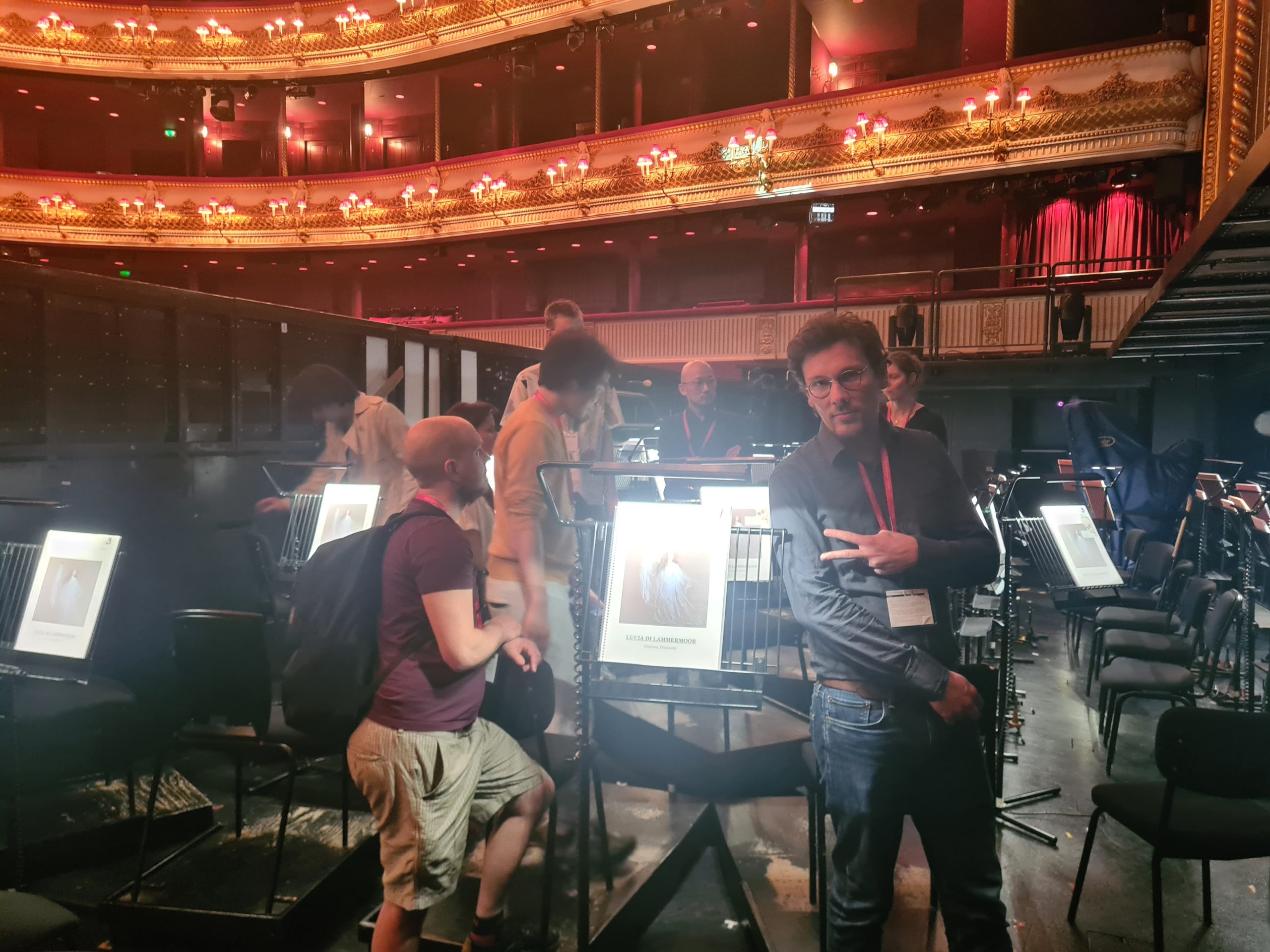
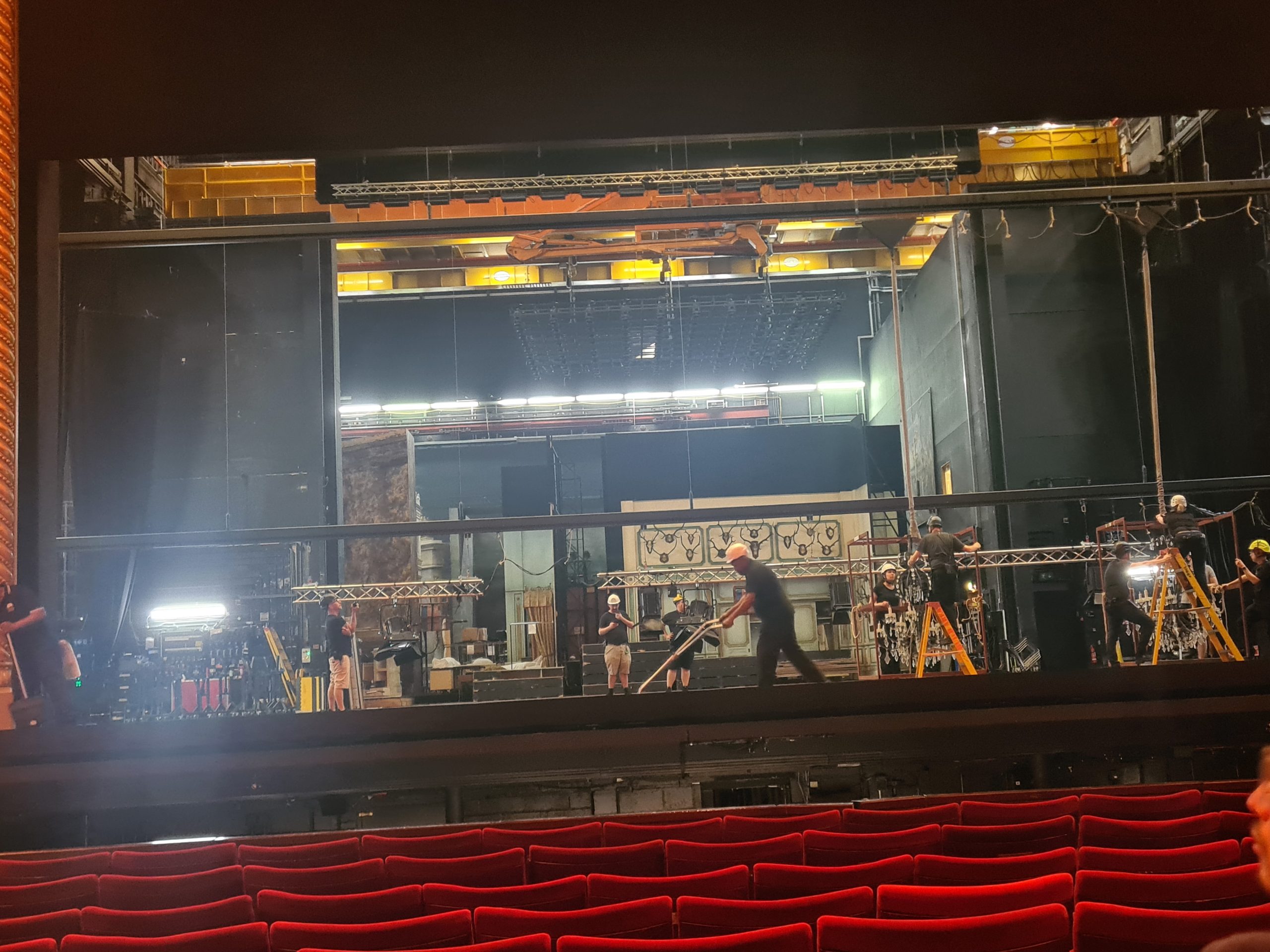
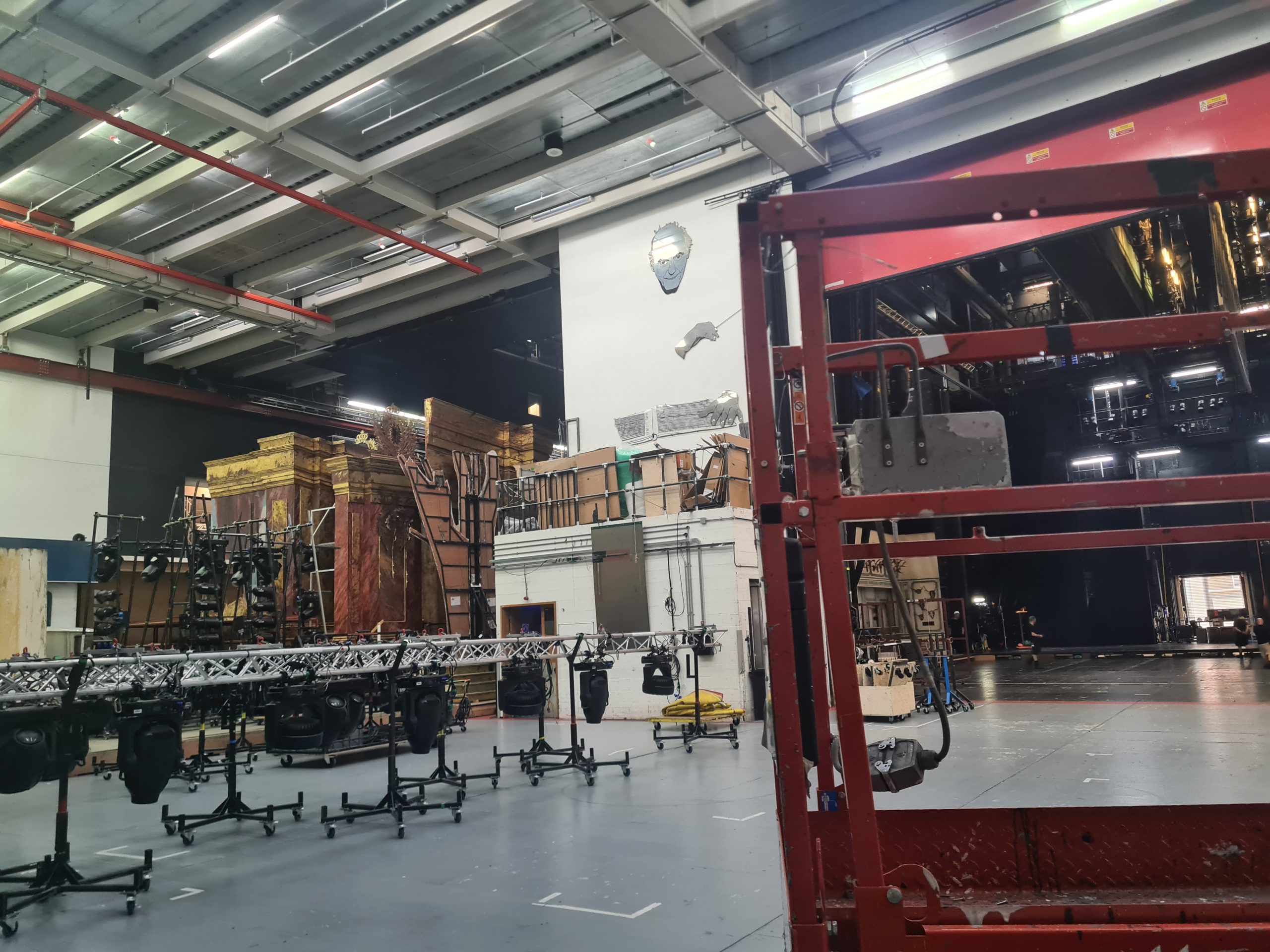
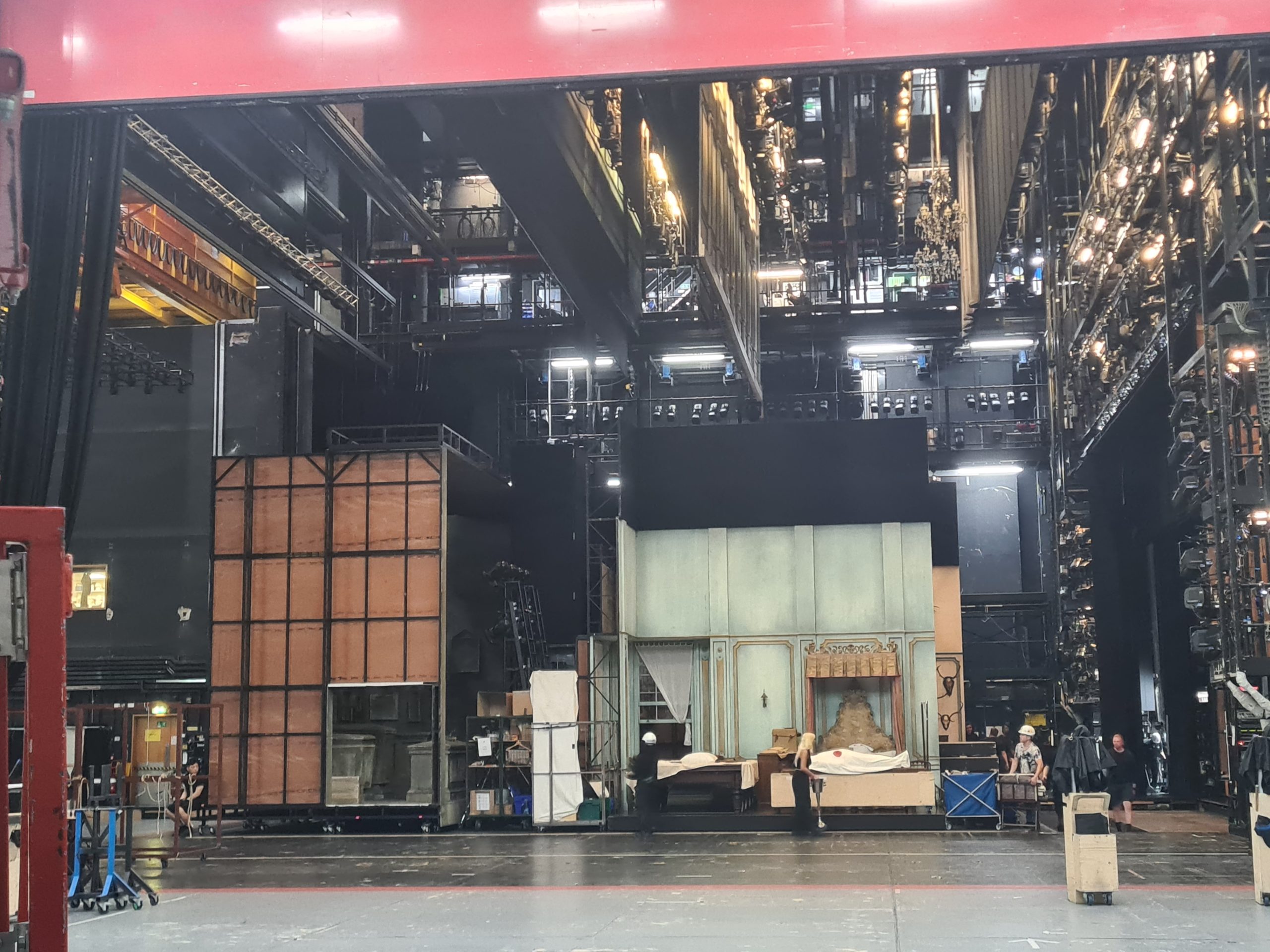
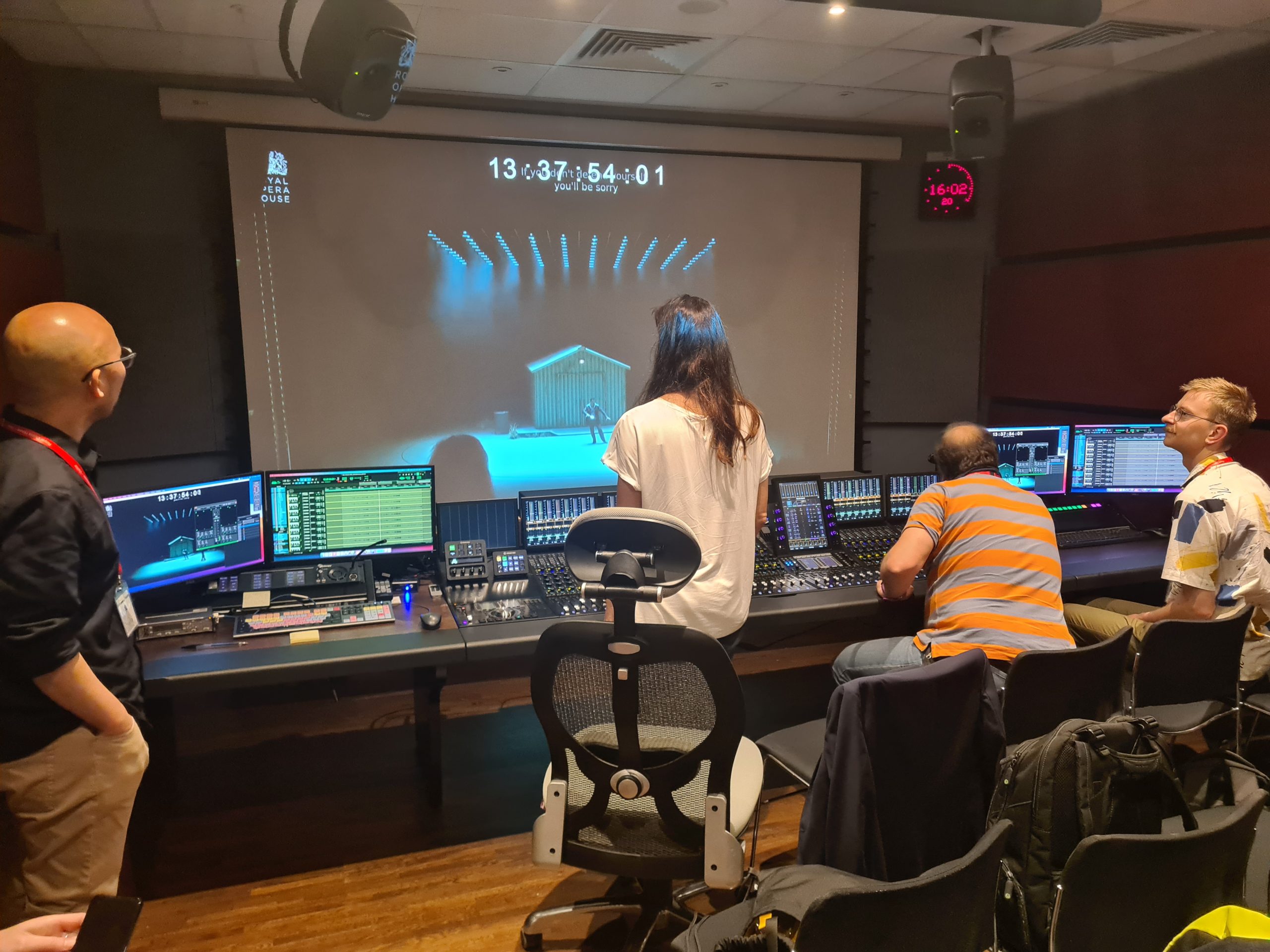
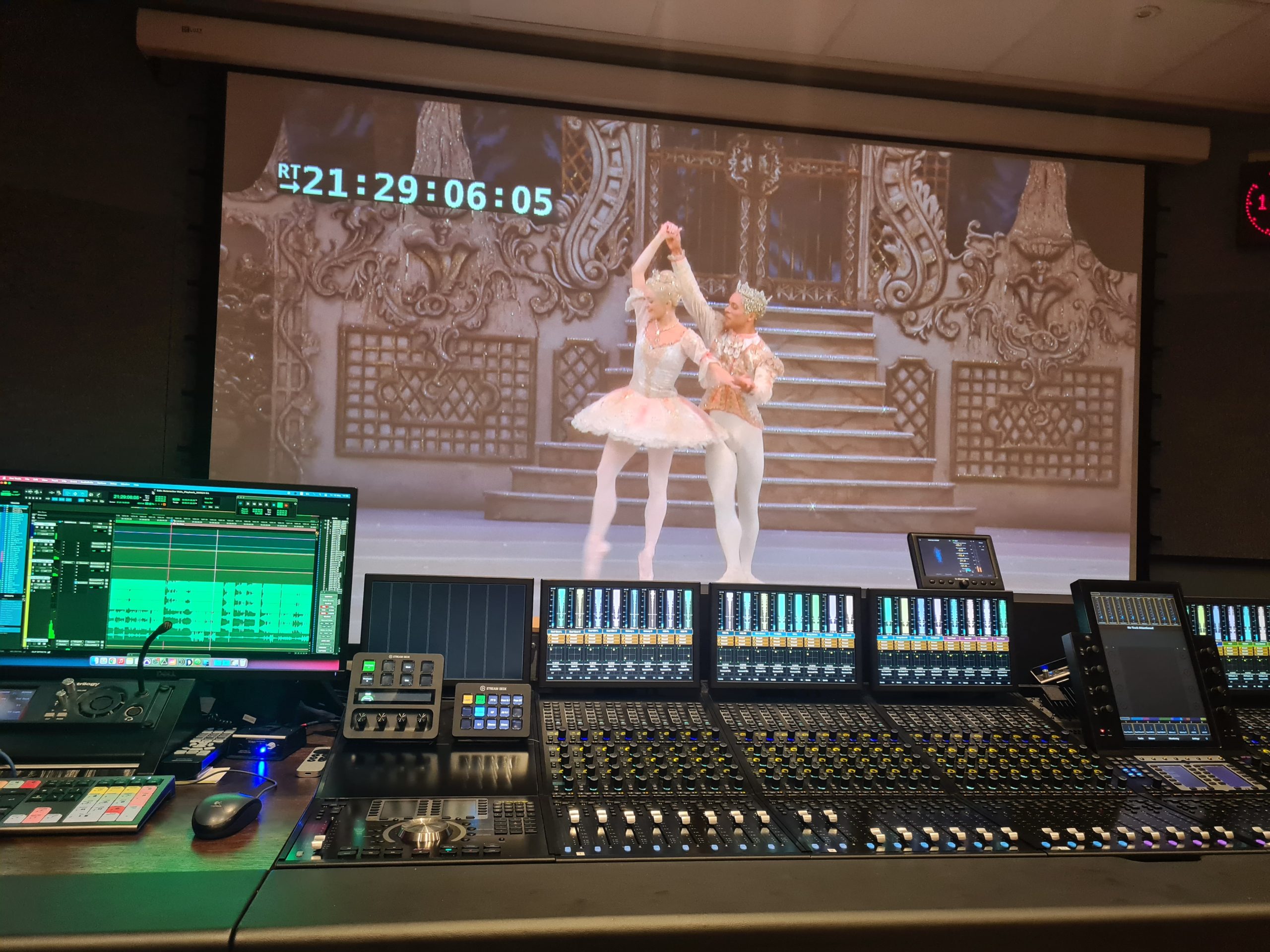
Talks on HRTF time-of-arrival estimation, perceptual tolerances in room acoustic rendering for VR and AR, choir source separation, ecological validity in spatial sound research and immersive audio challenges, followed by a backstage tour of the Royal Opera House.
Programme
- At Queen Mary, Mile End (15-minute talks plus 5 minutes for questions)
- 10:00–10:30 Tea and coffee
- 10:30–10:40 Participant introductions
- 10:40–11:00 Chin-Yun Yu (Queen Mary University of London), Time-of-arrival estimation and phase unwrapping of head-related transfer functions with integer linear programming
- 11:00–11:20 Annika Neidhardt (University of Surrey), Perceptual Tolerances in Room Acoustic Rendering for VR and AR
- 11:20–11:40 Saurjya Sarkar (Queen Mary University of London), Time-domain music source separation for choirs and ensembles
- 11:40–12:00 Angela McArthur (UCL), Ecological validity in spatial sound research – why?
- 12:00–12:20 Lorenzo Picinali (Imperial College London), Immersive Audio Challenges
- 12:20–13:00 Lunch
- At the Royal Opera House
- 13:30–14:30 Introduction and talk about the Royal Opera House, its broadcasts and the building
- 14:30–15:00 Q&A
- 15:00–16:00 Backstage tour
Organised by Aidan Hogg, with the other SIG coordinators.
Photos
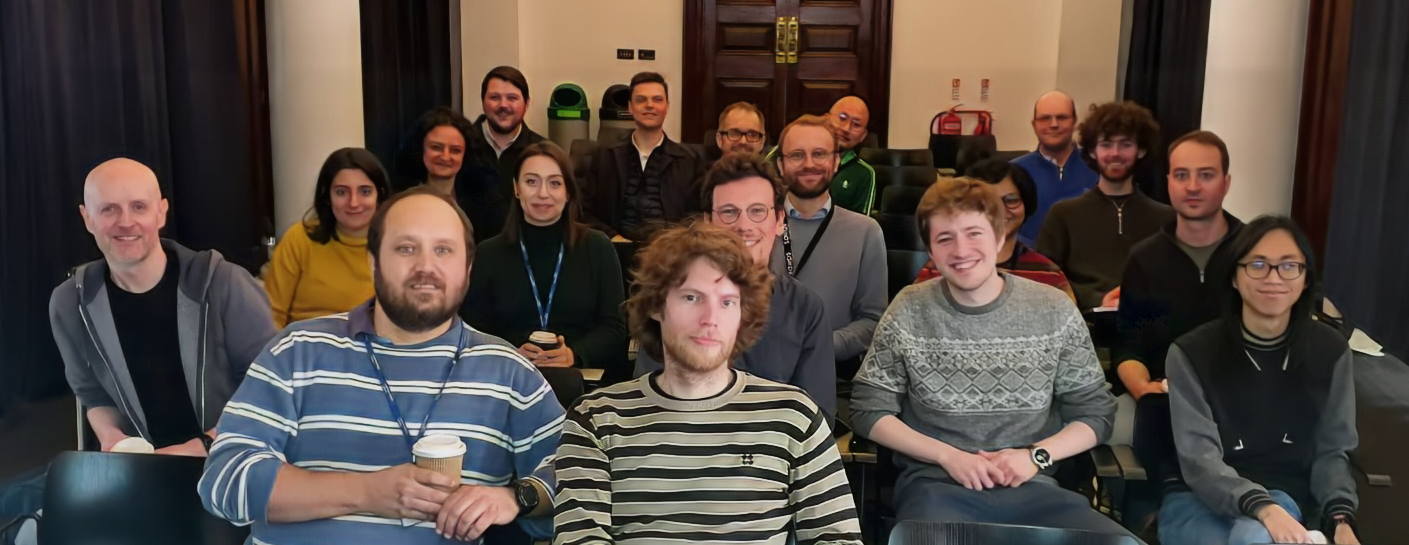
Imperial College London and Sonos
21 April 2023
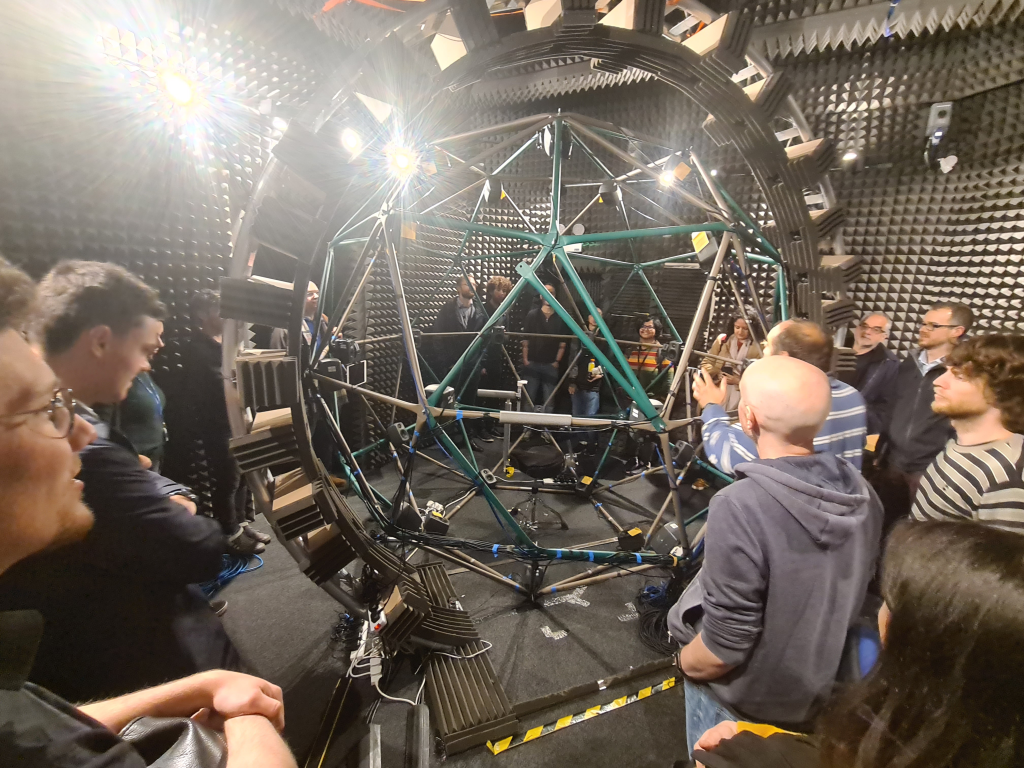
Presentations from attendees, a tour of Imperial’s acoustics lab and a talk from the Sonos London team.
Programme
- 13:30–14:00 Tea and coffee
- 14:00–14:15 Participant introductions
- 14:15–15:30 Presentations from attendees
- 15:30–16:00 Tour of the Imperial acoustics lab
- 16:00–17:15 Talk from the Sonos London team on their work and interests
- 17:15–17:30 Discussion on taking the group’s activities forward
Organised by Lorenzo Picinali and Aidan Hogg, with the other SIG coordinators.
Photos
L-Acoustics Showroom, London
20 June 2022
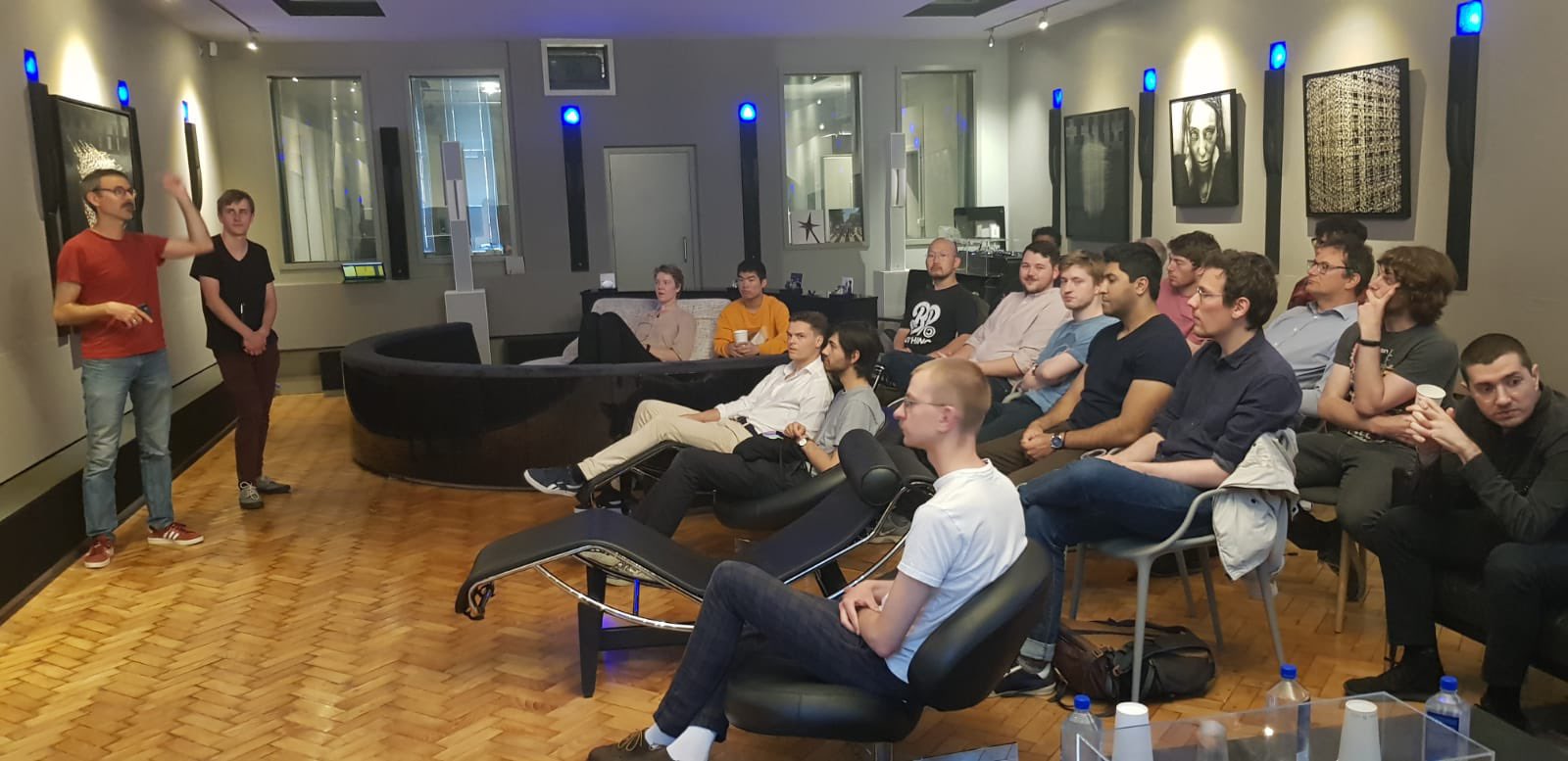
Our first meet-up: a listening session in the L-Acoustics Sound Space and its 18.1.12 loudspeaker system, with demos from the L-Acoustics team, a playback of pieces from the Student 3D Audio Production Competition in Ambisonics run by IEM Graz and the VDT, and a demo of creation tools.
Programme
- 16:20–17:00 L-Acoustics demos
- 17:00–17:10 Break
- 17:15–18:00 3D sound compositions: a selection of pieces from the Student 3D Audio Production Competition in Ambisonics, organised each year by the Institute of Electronic Music and Acoustics (IEM) in Graz with the German Association for Audio Professionals (VDT)
- 18:00–18:30 Creation tools demo
Organised by Rapolas Daugintis and Lorenzo Picinali, with the other SIG coordinators.